Water is one of the most important resources in your home, from drinking and cooking to bathing, cleaning, and running appliances. However, water can contain minerals, sediment, chlorine, odors, and other substances that affect its taste, appearance, and overall quality. This is where home water treatment can make a meaningful difference.
If you are wondering, what does a water treatment system do, the answer depends on the type of system installed and the specific conditions of your water. Residential water treatment is designed to address identified water quality concerns through processes such as filtration, softening, and purification. At Premier Water, the approach starts with understanding your water before recommending a treatment solution.
What Does a Water Treatment System Do?
A water treatment system improves water by targeting specific substances or characteristics that may affect its quality. Depending on the system, treatment may reduce chlorine, sediment, hardness minerals, iron, sulfur, dissolved solids, and other common water concerns. The goal is to provide cleaner and more consistent water for everyday household use.
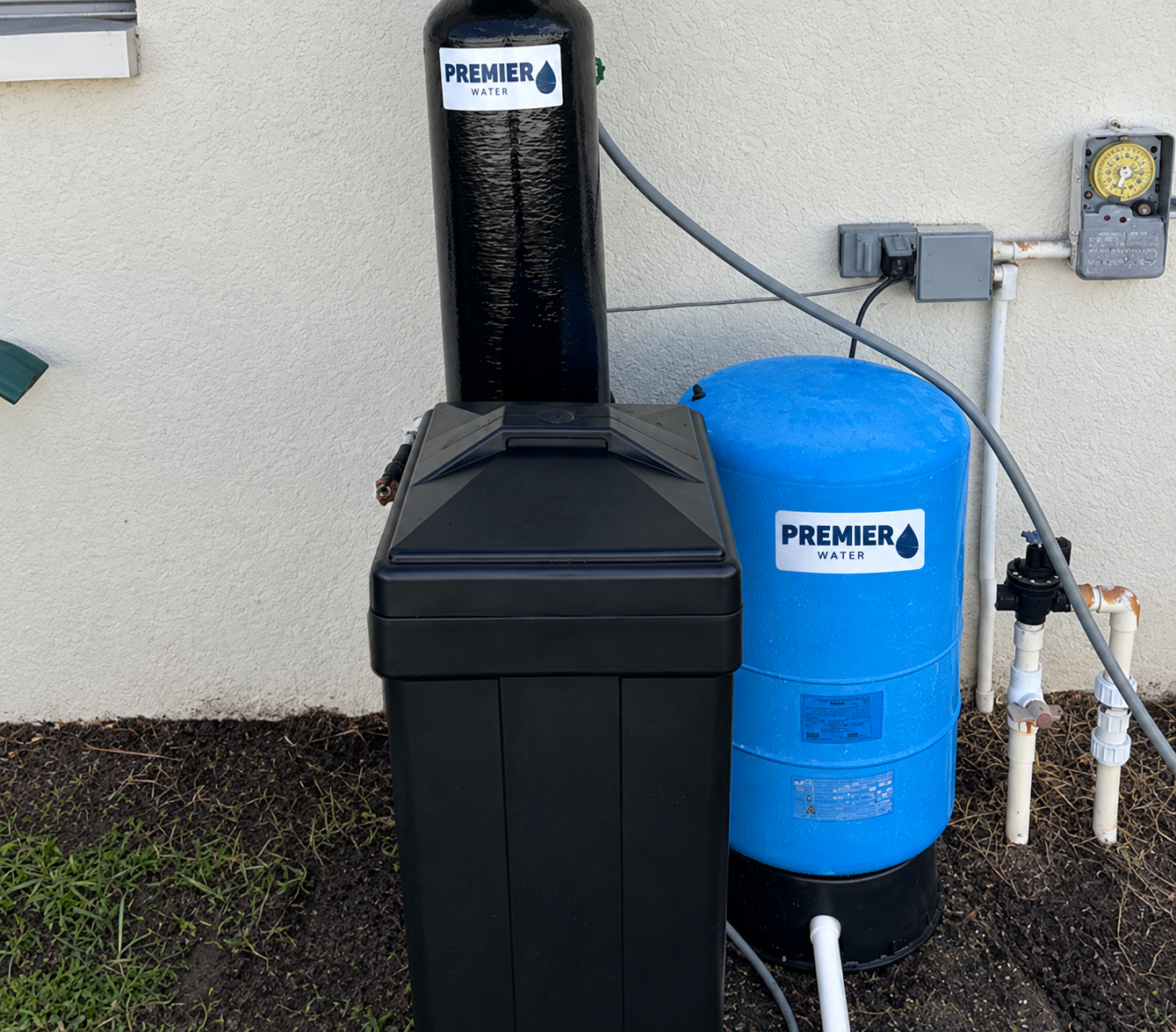
Unlike a single filter designed for one faucet, whole house water treatment can address water as it enters the property. This means treated water can be available throughout the home, including kitchens, bathrooms, showers, laundry areas, and appliances. The right solution depends on your water source, test results, household needs, and the specific issues you want to address.
Why Water Quality Matters in Your Home
Water quality affects more than what comes out of your kitchen faucet. Water containing excess minerals can contribute to scale on fixtures and appliances, while chlorine can affect taste and odor. Sediment and other substances can also make water appear cloudy or leave unwanted residue.
Hard water is another common concern for homeowners. Calcium and magnesium can create mineral deposits on faucets, shower surfaces, plumbing components, and appliances. A properly selected water softener can help reduce the effects of hardness and support better performance of water-using equipment.
How Residential Water Treatment Works
The first step in effective residential water treatment is identifying what is actually present in the water. A water test can provide information about characteristics such as hardness, chlorine, iron, sulfur, total dissolved solids, sediment, and water clarity. This information helps determine which treatment technologies are appropriate.
Once the water quality concerns are understood, different treatment systems can be used individually or together. A whole house filtration system may address chlorine and sediment, while a water softener focuses primarily on hardness. For drinking water, reverse osmosis can provide an additional level of treatment at the kitchen sink.
Whole House Water Filtration
Whole house water filtration is designed to treat incoming water before it reaches the different fixtures throughout your home. Depending on the filtration technology, these systems can help reduce chlorine, sediment, odors, and other substances that affect water quality.
This type of home water treatment is useful when homeowners want improvements throughout the property rather than at only one faucet. Treated water can support everyday activities such as showering, cooking, washing clothes, and cleaning while helping reduce unwanted taste, odor, or visible particles.
Water Softeners for Hard Water
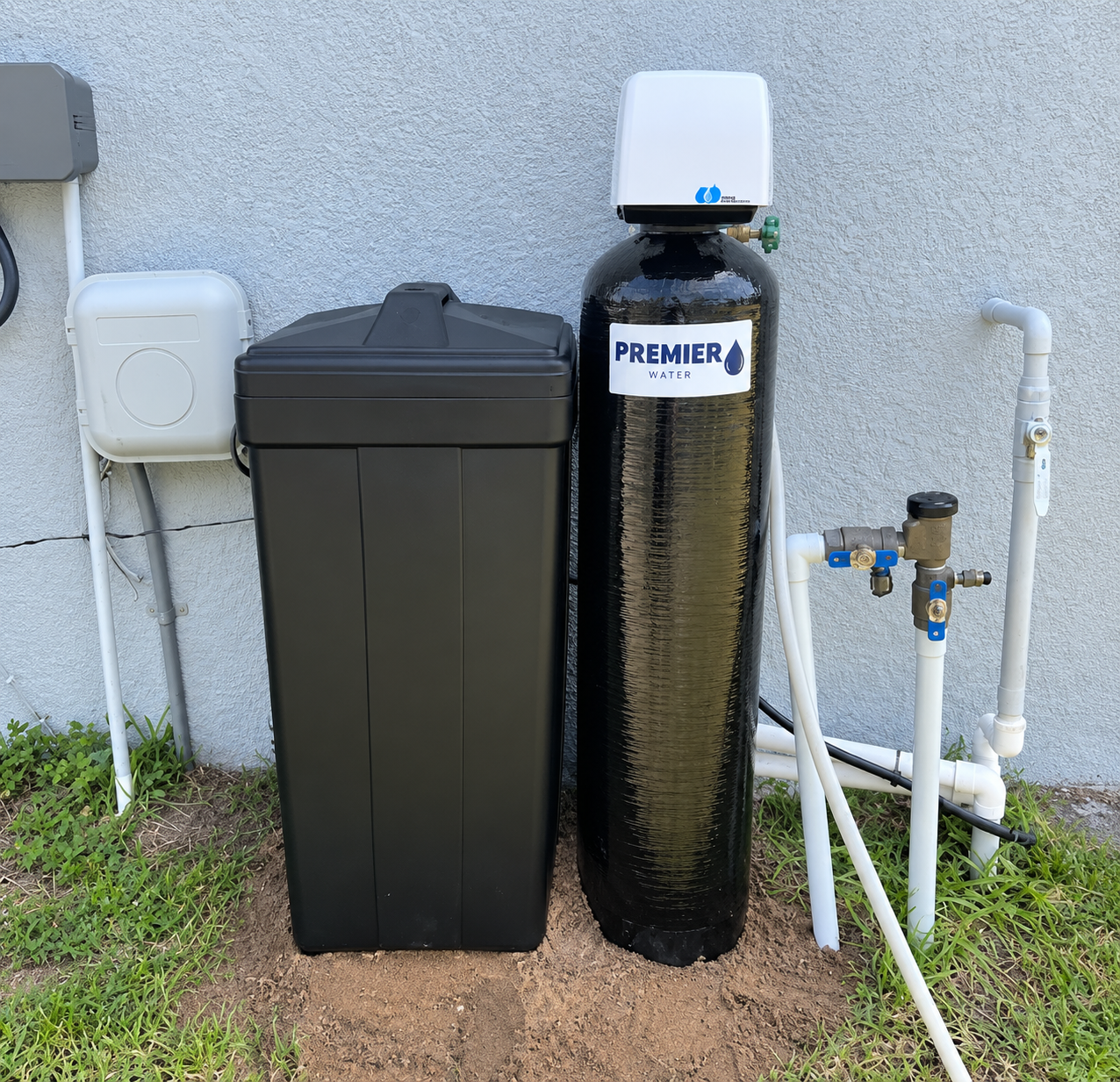
Water softeners serve a different purpose from many filtration systems. Their primary function is to reduce hardness minerals, particularly calcium and magnesium, that can cause scale and buildup. Hard water can make cleaning more difficult and contribute to deposits around faucets, showerheads, and appliances.
A properly sized water softener can help create softer water throughout the home. This can reduce the effects of mineral buildup and help protect plumbing and water-using appliances. Because water hardness varies between properties, testing is an important part of selecting an appropriate system.
Reverse Osmosis for Drinking Water
Reverse osmosis is a specialized form of water purification commonly used for drinking and cooking water. Rather than treating every faucet, a reverse osmosis system is typically installed at the kitchen sink to provide treated water where it is most often needed for consumption.
The process uses a semipermeable membrane along with multiple filtration stages to reduce dissolved solids and various contaminants. The exact performance depends on the system and water conditions. For homeowners looking for an additional drinking water treatment option, reverse osmosis can complement whole house treatment.
Well Water Treatment
Homes supplied by private wells can have different water treatment requirements from properties connected to municipal supplies. Well water may contain concerns such as iron, sulfur, sediment, hardness, or other substances that influence taste, odor, appearance, and usability.
Well water treatment should therefore begin with testing rather than choosing a system based only on general assumptions. Once the water characteristics are understood, the appropriate filtration or treatment technology can be selected. This approach helps ensure the system is designed around the actual needs of the property.
How Different Water Treatment Solutions Work Together
One of the most important things to understand about water treatment systems is that there is no single solution that addresses every possible water quality concern. Different systems are designed for different purposes, which means multiple technologies may sometimes work together as part of a complete treatment setup.
For example, a whole house filtration system can address chlorine and sediment throughout the property, while a water softener can focus on hardness. A reverse osmosis system can then provide additional treatment for drinking and cooking water at the kitchen sink. Combining systems in this way can create a more complete home water treatment strategy.
Signs Your Home May Need Water Treatment
Changes in taste or odor are often among the first signs that homeowners notice. Water may have a chlorine-like smell, sulfur odor, metallic taste, or other characteristics that make it less appealing for drinking or household use. Cloudiness, discoloration, or visible sediment can also indicate that further water testing may be worthwhile.
Other signs can appear around the home. Mineral deposits on faucets, spots on fixtures, scale inside appliances, or persistent buildup may be associated with hard water. If you notice several of these issues, professional water testing can help identify the underlying cause rather than relying on guesswork.
Why Water Testing Should Come First
Choosing a water treatment system without understanding your water can result in an ineffective or unnecessary solution. Water quality can vary between properties, even within the same general area. Testing provides useful information that can guide the treatment process.
Premier Water begins its approach with water testing to identify common concerns such as hardness, chlorine, iron, sulfur, total dissolved solids, and sediment. The results can then be used to recommend a system based on the property’s water conditions, home size, and household needs. This helps homeowners make a more informed decision about residential water treatment.
Choosing the Right Home Water Treatment System
The best water treatment solution is not necessarily the system with the most features. It is the system that addresses the specific water concerns identified through testing. Homeowners should consider whether they need whole house filtration, softening, drinking water purification, well water treatment, or a combination of solutions.
Professional installation also matters because treatment systems need to be properly sized, connected, and configured. Regular maintenance is equally important. Filter replacement, system checks, cleaning, salt service where applicable, and performance inspections can help maintain consistent water quality and extend system life.
How Premier Water Supports Better Water Quality
Premier Water provides residential water treatment solutions designed around the needs of individual homes. Its services include water testing, whole house water filtration, water softener systems, reverse osmosis systems, and well water treatment. The process is focused on identifying water quality concerns first and then selecting an appropriate treatment approach.
Professional installation and ongoing support are also part of the process. This allows homeowners to have their systems properly set up and maintained over time. By combining testing, treatment, installation, and service, Premier Water helps homeowners take a more complete approach to improving water quality.
Conclusion
So, what does a water treatment system do for your home? It helps address specific water quality concerns by using technologies designed for filtration, softening, purification, or other treatment needs. The right system can improve the characteristics of your water while helping address problems such as hardness, chlorine, sediment, odors, and mineral buildup.
The most effective approach begins with testing your water and understanding what needs to be treated. From whole house water filtration to water softeners, reverse osmosis, and well water treatment, different solutions can work together to create a treatment system suited to your home. With professional guidance from Premier Water, homeowners can make informed decisions based on their actual water quality needs.
Contact Premier Water today to learn more about your home’s water treatment options and find a solution designed around your water quality needs.
Frequently Asked Questions
1. What does a water treatment system do?
A water treatment system is designed to address specific water quality concerns. Depending on the technology, it may reduce chlorine, sediment, hardness minerals, odors, dissolved solids, iron, sulfur, or other substances found in household water.
2. Does a water treatment system treat the entire home?
A whole house water treatment system is installed on the main water supply and treats incoming water before it reaches household fixtures. Other systems, such as reverse osmosis, are generally designed to treat water at a specific drinking water faucet.
3. What is the difference between water filtration and water purification?
Water filtration generally uses physical or chemical filtration methods to reduce selected substances from water. Water purification is a broader term that can describe processes designed to improve water quality by addressing specific contaminants or dissolved substances.
4. Do I need both a water softener and a filtration system?
It depends on your water quality. A water softener primarily addresses hardness minerals, while filtration systems can target chlorine, sediment, odors, and other concerns. Testing can determine whether one system or multiple water treatment solutions are appropriate.
5. How do I know which water treatment system my home needs?
Start with a professional water test. Testing helps identify the characteristics of your water and provides information needed to select an appropriate residential water treatment system based on your home’s specific conditions.