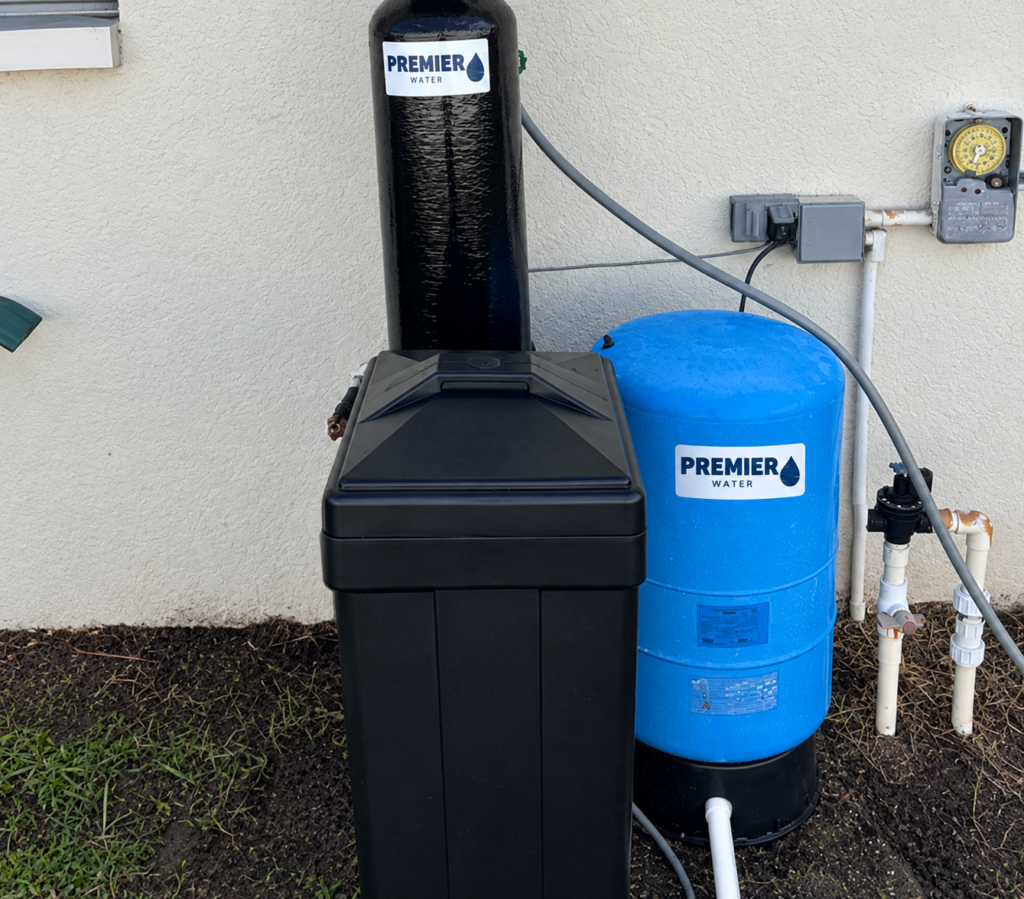
If your home relies on a private well, you already know it comes with a different level of responsibility compared to a municipal water hookup. There is no city treatment plant monitoring your supply, which means any changes in taste, smell, or appearance are signals worth paying attention to. Understanding the most common well water problems helps you catch issues early, protect your plumbing, and keep your family’s water safe to drink.
This guide walks through the well water issues homeowners run into most often, what causes them, and when it makes sense to bring in professional testing or treatment.
Why Well Water Needs Extra Attention
Unlike city water, well water comes straight from the ground with no added treatment unless you install a system yourself. That means whatever is naturally present in your local soil and rock, or whatever has seeped in from the surrounding area, ends up in your glass. Seasonal weather, nearby agriculture, and even the age of your well casing can all affect well water quality over time. This is why routine testing and a basic understanding of common problems go a long way toward protecting your home.
The Most Common Well Water Problems
1. Iron in Well Water
Iron is one of the most frequent complaints among well owners. It often shows up as reddish brown stains in sinks, tubs, and laundry, along with a metallic taste in drinking water. Iron is not usually dangerous to your health at typical levels, but it can clog pipes, damage appliances, and make water unappealing to drink. Iron filtration systems are a common fix, and depending on the concentration, a water softener or dedicated iron filter may be recommended.
2. Sulfur Smell in Water
That distinct rotten egg smell coming from your tap is usually caused by hydrogen sulfide gas, which forms when sulfur bacteria interact with organic material underground. While the smell is unpleasant, it is not always a health hazard on its own. That said, it can indicate bacterial activity in your well that is worth investigating further. Shock chlorination or a specialized filtration system is often used to resolve a sulfur smell in water.
3. Hard Well Water
Hard well water is caused by high levels of calcium and magnesium, minerals that are naturally common in groundwater. You will notice hard water through soap that does not lather well, spots on dishes, dry skin after showering, and mineral buildup around faucets and showerheads. Over time, hardness can shorten the lifespan of water heaters and other appliances. A water softener is the standard solution for reducing hardness and preventing scale buildup throughout your plumbing.
4. Sediment in Well Water
Sand, silt, and small rock particles can make their way into your well, especially in older wells or those with worn casings. Sediment in well water often shows up as cloudy water, gritty residue in the bottom of a glass, or clogged faucet aerators. Beyond being annoying, sediment can wear down plumbing fixtures and reduce the efficiency of appliances. Sediment filters are typically installed as a first line of defense, often paired with other treatment methods.
5. Bacteria and Microbial Contamination
Because well water is untreated at the source, bacteria such as coliform and E. coli can be a serious concern, particularly after heavy rain or flooding near the well. Unlike some of the other issues on this list, bacterial contamination cannot be detected by smell, taste, or appearance alone. Regular well water testing is the only reliable way to confirm whether bacteria are present, and treatment usually involves shock chlorination or an ultraviolet disinfection system.
6. Nitrates and Agricultural Runoff
Wells located near farmland are at higher risk for nitrate contamination, which typically comes from fertilizer runoff or nearby septic systems. High nitrate levels are especially risky for infants and pregnant women. Because nitrates are odorless and tasteless, testing is the only way to know if your well is affected.
7. Low pH and Acidic Water
Acidic well water, often caused by naturally low pH in the surrounding soil, can corrode plumbing over time and cause a metallic taste. It can also cause blue green stains around fixtures if copper piping is present. A neutralizing filter is commonly used to raise pH levels and protect your plumbing system.
8. Manganese
Similar to iron, manganese is a naturally occurring mineral that can cause dark brown or black staining on fixtures and laundry. It is often found alongside iron and treated using similar filtration methods, though higher concentrations may require a dedicated manganese filter.
How to Identify Well Water Problems Early
Many well water issues give off early warning signs before they become bigger problems. Watch for changes in water color or clarity, new or unusual smells, changes in taste, reduced water pressure, or visible buildup around faucets and appliances. If you notice any of these, it is a good sign that a water inspection is overdue.
The Role of Well Water Testing
Because so many well water contaminants are invisible or undetectable by taste alone, testing is the foundation of good well maintenance. A thorough water analysis will check for the issues covered above, including iron, sulfur, hardness, sediment, bacteria, nitrates, and pH levels, giving you a clear picture of your overall well water quality. Most well owners are advised to test at least once a year, and more frequently if problems have been previously identified or if there has been recent flooding or construction near the well.
Well Water Treatment Options
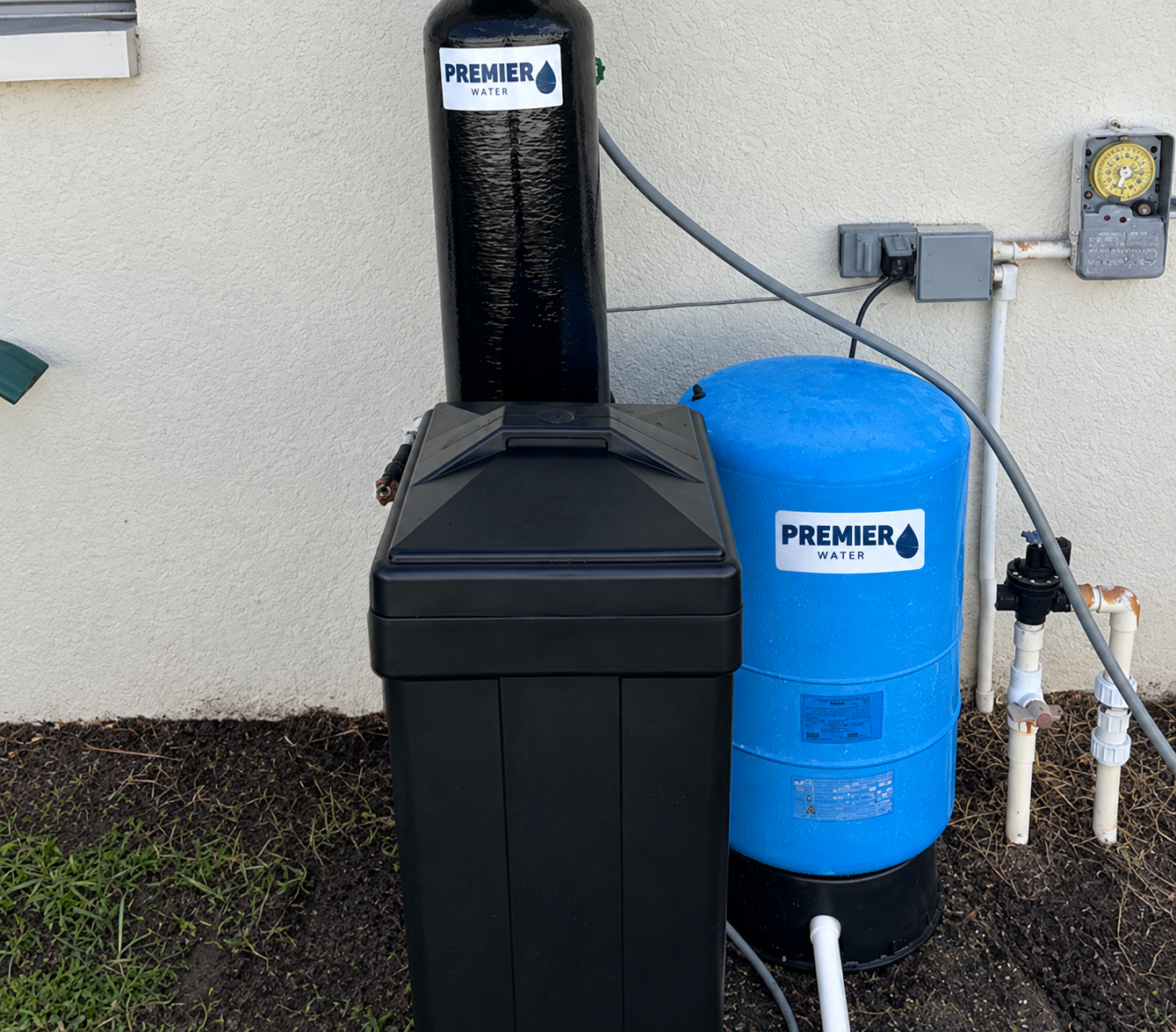
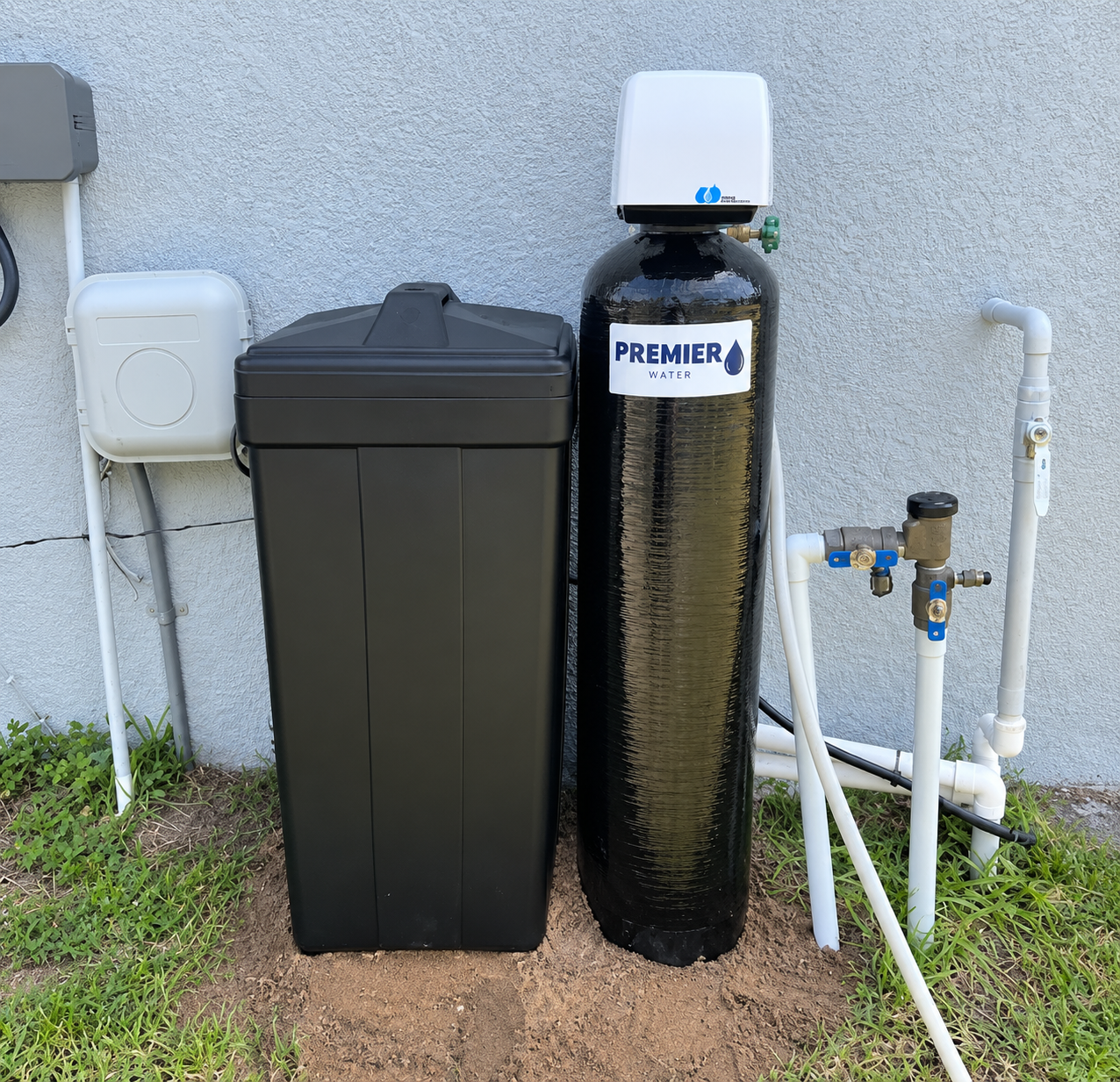
Once you know what you are dealing with, treatment is usually straightforward. Common well water treatment solutions include:
- Sediment filters to remove sand, silt, and rust particles before water enters your home
- Water softeners to reduce calcium and magnesium buildup
- Iron and manganese filters to address staining and metallic taste
- UV disinfection systems to neutralize bacteria without added chemicals
- Neutralizing filters to correct low pH and protect plumbing
- Whole home filtration systems that combine multiple treatment stages for comprehensive coverage
The right combination depends on what your test results show, so treatment should always follow testing rather than guesswork.
Conclusion
Owning a home with a private well means taking on the responsibility of monitoring your own water quality. From iron stains and sulfur smells to hard water and sediment, these common well water problems are manageable once you know what to look for and how to address them. Regular testing takes the guesswork out of the equation and points you toward the right treatment for your specific situation. If you have noticed any changes in your well water or it has been a while since your last test, reach out to My Premier Water to schedule professional well water testing and get a clear plan for treatment.
Frequently Asked Questions
1. How do I know if my well water has a problem?
Common signs include unusual smells, staining on fixtures, cloudy or gritty water, and changes in taste. However, some contaminants like bacteria and nitrates have no noticeable signs, which is why regular testing matters.
2. Is a sulfur smell in well water dangerous?
The smell itself is usually not harmful, but it can point to bacterial activity in the well that should be checked out through testing.
3. How often should well water be tested?
Most experts recommend testing at least once a year, with additional testing after flooding, nearby construction, or any noticeable change in water quality.
4. Can I fix well water problems without professional help?
Basic issues like sediment can sometimes be managed with simple filters, but for contaminants like bacteria, nitrates, or heavy iron and sulfur levels, professional well water treatment is the safer and more effective route.
5. Does hard well water need to be treated?
It is not a health risk, but left untreated it can damage appliances and plumbing over time, so most homeowners choose to install a water softener.